


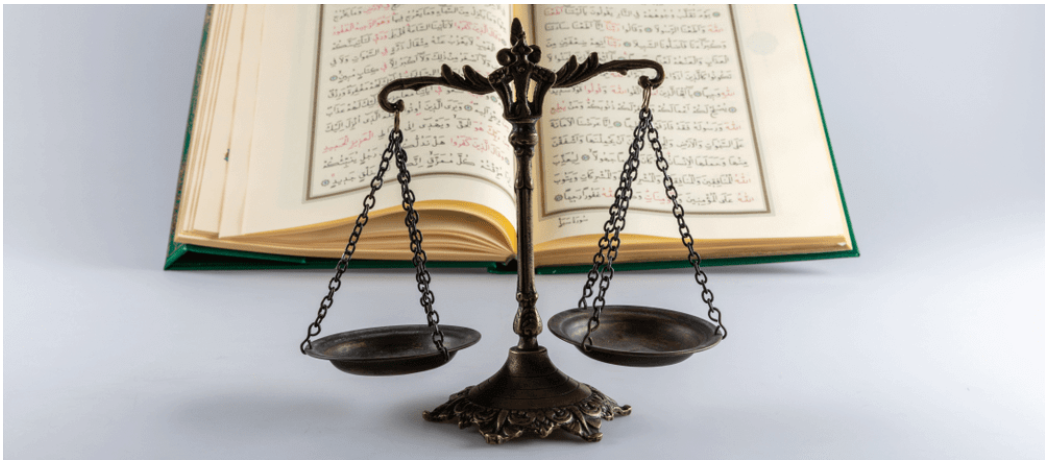
This article is written by Mian Abid Ali. In this article the aurthor has discussed about "Khula" in muslim law with great detail.
-Mian Abid Ali Adv.
Introduction
In Pakistan, "Khula" is a woman’s Islamic right to seek divorce from her husband, granted under the "Muslim Family Laws Ordinance 1961" and governed by Sharia principles. Unlike Talaq (initiated by the husband), Khula allows a wife to dissolve the marriage by returning her dower (Haq Mehr) or forfeiting it, subject to court approval.
This article explains the "legal procedure, grounds, and challenges" of Khula to empower women with clarity on their rights.
Grounds for Khula in Pakistan
While Pakistani courts grant Khula without requiring strict "fault," common grounds include:
Desertion (husband’s absence for 2+ years).
Non-maintenance (failure to provide financial support).
Incompatibility/irreconcilable differences.
Step-by-Step Legal Procedure
1. Filing the Petition:
Required documents:
- Nikahnama (marriage certificate).
- CNIC copies of both parties.
- Evidence supporting grounds (e.g., medical reports for abuse).
2. Court Proceedings:-
If reconciliation fails, the judge may order the wife to return the dower (or waive it) to dissolve the marriage.
3. Decree of Khula:-
The wife must observe *Iddat* (waiting period of 3 months).
Key Legal Considerations:-
Haq Mehr: The wife may forfeit or return it, depending on the case.
Child Custody: Decided separately under the Guardian and Wards Act 1890.
Why Hire a Lawyer for Khula?
Navigating Khula cases involves "evidence collection, court procedures, and negotiation".
At Mian Law Associates, we:
Ensure your petition is filed correctly and swiftly.Protect your rights to dower, custody, and maintenance.
Provide confidential, empathetic support throughout the process.
Frequently Asked Question(FAQs)
Conclusion
Khula is a critical legal remedy for women seeking freedom from untenable marriages. If you’re considering Khula, consult a *reputed family lawyer* to safeguard your rights.
 Contact Mian Law Associates today for a confidential consultation
Very informatic