
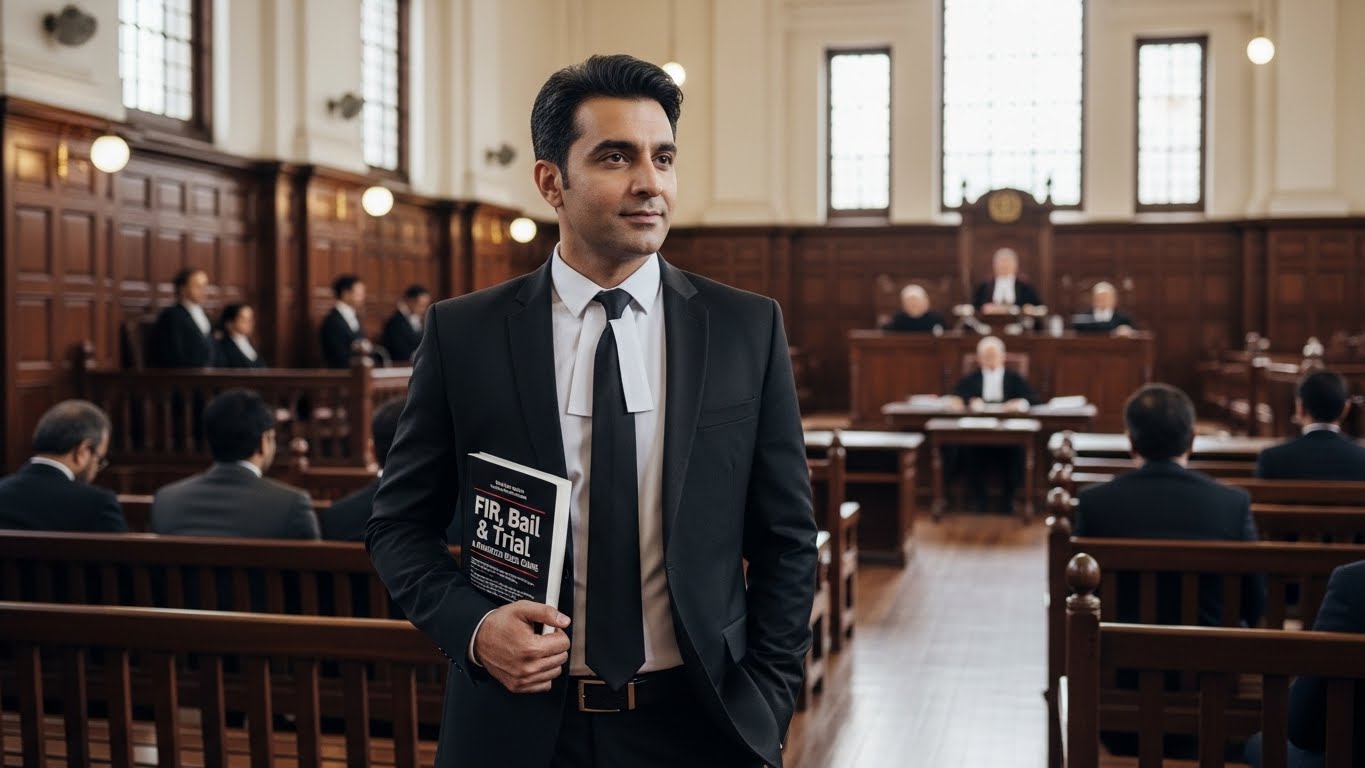

Pakistan’s criminal justice system often feels overwhelming, confusing, and stressful for anyone facing an FIR, seeking bail, or preparing for a trial. As a senior advocate would explain, understanding your rights, legal options, and procedural steps can make a massive difference. Whether you’re a complainant or an accused, this guide breaks down the entire criminal process in simple terms—covering FIR, bail, trial, criminal law, new criminal laws, and even how these differ from civil court cases.
Understanding Pakistan’s Criminal Justice Process
The criminal justice system operates on rules that many people do not fully understand. Yet, knowing your rights can protect you from misuse of power, false allegations, and unnecessary harassment.
Why Knowing Your Rights Matters
Police procedures aren’t always transparent, and people often panic when an FIR is filed. But your constitutional protections remain in place throughout the case.
Role of Police, Courts & Lawyers
Each plays a different function:
- Police: Register FIR, conduct investigation
- Courts: Decide bail, oversee trial, deliver judgment
- Lawyers: Protect your rights, present your case
What Is an FIR?
An FIR (First Information Report) is a written document prepared by the police when they receive information about a cognizable offence.
Legal Definition of FIR
It sets the criminal machinery into motion and becomes the basis for investigation.
When and Why You Need It
- In cases of theft, assault, fraud, harassment, murder, etc.
- To legally pursue justice and start the investigation process.
Cognizable vs. Non-Cognizable Offences
- Cognizable: Police can arrest without warrant.
- Non-Cognizable: Requires court approval for action.
How to Register an FIR in Pakistan
Step-by-Step Procedure
- Visit the nearest police station.
- Provide your statement verbally or in writing
- Ensure the police officer writes it correctly.
- Get a free copy of the FIR.
What If Police Refuse to Register FIR?
You have two legal remedies:
1. Complain to SP or higher police authorities
They can order registration of an FIR.
2. File an application under Section 22-A
A Sessions Judge can direct the police to register the FIR.
Rights of the Accused After FIR
Facing an FIR does not mean automatic guilt. Under criminal law, an accused person has constitutional rights:
- Right to legal representation
- Right to bail
- Right to fair trial
- Protection against torture
Types of Bail in Pakistan
1. Pre-Arrest Bail
Also called anticipatory bail. It protects from arrest until the trial court decides the case.
2. Post-Arrest Bail
Filed after arrest to secure release during investigation or trial.
Bail Before Arrest vs. Bail After Arrest
Both are legal safeguards ensuring no one is detained unnecessarily.
Legal Requirements
The court examines:
- Good faith
- No criminal intent
- Cooperation with investigation
Bail Procedure in Pakistan
Required Documents
- CNIC copy
- FIR copy
- Affidavit
- Supporting evidence
Grounds for Bail
- Weak prosecution case
- False implication
- No previous criminal record
- Delay in trial
When Bail Can Be Cancelled
- Misuse of liberty
- Threatening witnesses
- Non-attendance in court
Investigation Stage
After FIR registration, the police begin investigation.
Role of the Investigation Officer
- Visit the crime scene
- Record statements
- Collect evidence
- Prepare the challan
Challan & Submission to Court
What Is a Challan?
The police report summarizing evidence collected.
Types of Challans
- Interim Challan: Investigation incomplete
- Final Challan: Investigation complete, accused identified
The Criminal Trial in Pakistan
A criminal trial has multiple stages:
1. Framing of Charges
The judge frames charges under relevant sections of criminal law.
2. Prosecution Evidence
Witnesses are examined and cross-examined.
3. Defense Evidence
The accused may present evidence or witnesses.
4. Final Arguments
Both sides argue the case based on law & facts.
5. Judgment & Sentencing
The court either acquits or convicts the accused.
Key Changes Under New Criminal Laws
Recent amendments in new criminal laws include:
- Fast-track procedures for certain cases
- Stronger protections for women and minors
- Harsher punishments for violent crimes
- Digital evidence recognition
These reforms aim to improve transparency and speed in the justice system.
Difference Between Criminal Law & Civil Court Cases
Many people confuse the two, but they serve different purposes.
Nature of Disputes
- Criminal Law: Deals with offences against society (e.g., theft, murder).
- Civil Court Cases: Deals with disputes between individuals (e.g., property, money, contracts).
Court Structure & Procedure
- Criminal courts focus on punishment.
- Civil courts focus on compensation.
Popular Misconceptions About Criminal Cases
1. FIR Means Immediate Arrest?
Not always. Many offences require investigation first.
2. Bail Means Acquittal?
Bail only grants temporary freedom—it’s not a verdict.
When You Should Hire a Criminal Lawyer
A skilled lawyer:
- Protects you from wrongful arrest
- Prepares strong legal arguments
- Ensures you follow proper court procedure
- Helps you avoid mistakes that weaken your case
Always consult a professional if:
- An FIR is filed against you
- You receive a police call-up notice
- You fear false allegations
Conclusion
Understanding the complete journey from FIR registration to trial can save you from panic, confusion, and injustice. Whether you are the complainant or the accused, knowing your rights under criminal law, recent new criminal laws, and how they differ from civil court cases empowers you to make the right decisions. The law may seem complex, but with the right knowledge—and the right lawyer—you can navigate the process confidently and effectively.
FAQs
Q1. Can police arrest immediately after FIR?
Only in cognizable offences; otherwise, investigation is required.
Q2. How long does bail last?
Until the case concludes or until cancelled by the court.
Q3. What if police refuse to register my FIR?
File a complaint with SP or move an application under Section 22-A.
Q4. Is bail guaranteed?
No. It depends on circumstances, evidence, and court discretion.
Q5. How long do criminal trials take?
They vary—some finish in months, others may take years depending on evidence and workload.