
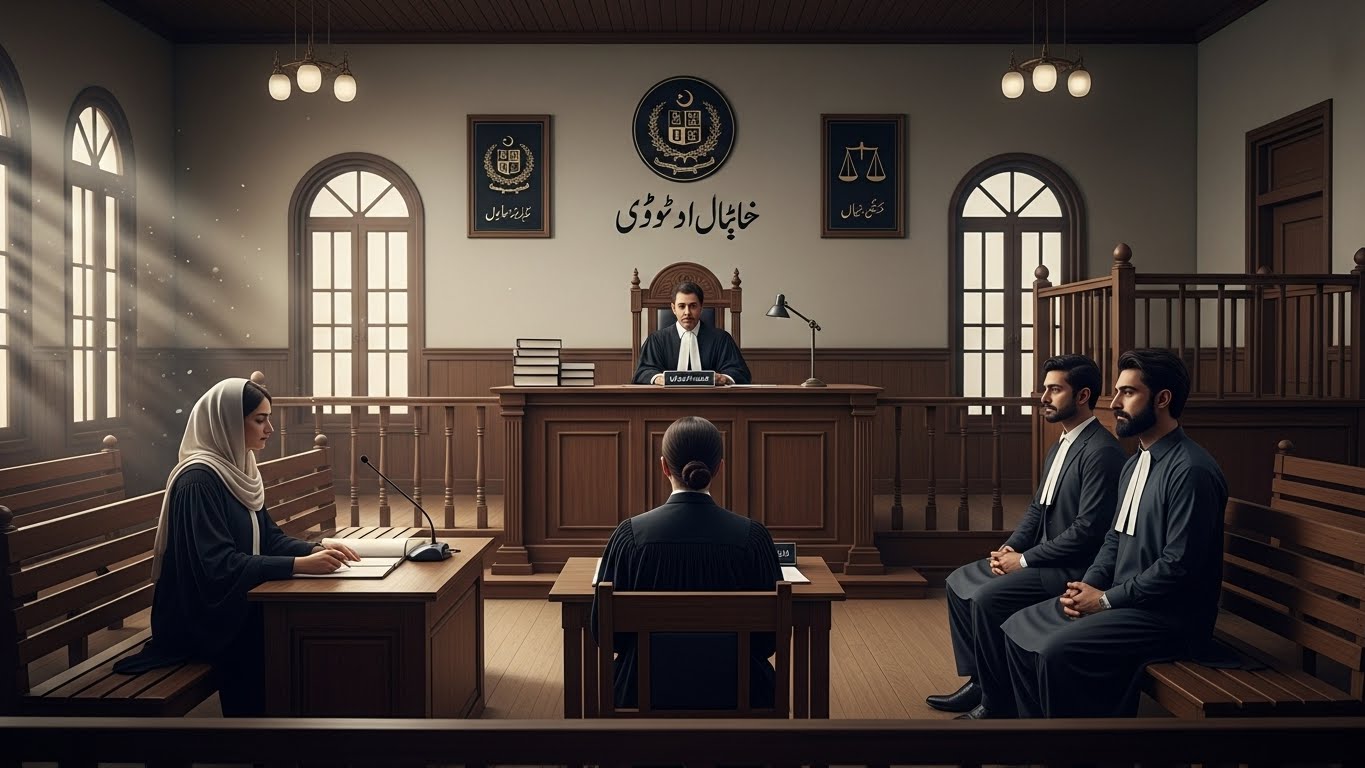

Khula and divorce are major life decisions, and navigating the legal system can feel overwhelming. In Pakistan, both men and women have clear rights when it comes to ending a marriage—but many don’t fully understand the steps involved. Whether you're exploring khula in Islam, going through the khula procedure in Pakistan, or learning about the divorce procedure in Pakistan, knowing the law empowers you to make the right choices.
This guide breaks down every step in simple terms so you can confidently move forward.
What Is Khula in Islam?
Religious Basis of Khula
Khula in Islam allows a woman to seek separation from her husband for valid reasons. It is recognized in the Quran and Sunnah as a woman's right when she feels the marriage cannot continue peacefully.
Conditions Under Which Khula Is Allowed
Khula can be requested for:
- Emotional or physical abuse
- Financial negligence
- Lack of compatibility
- Absence of mutual respect
- Any situation making married life unbearable
Islam prioritizes peace, dignity, and justice in marital relationships.
Difference Between Khula and Divorce
Wife-Initiated vs Husband-Initiated Separation
- Khula is initiated by the wife through the court.
- Talaq (divorce) is initiated by the husband directly or through the Union Council.
Financial Implications
In khula, the wife may return Haq Mehr depending on the situation. In divorce, the husband does not receive anything back.
Misconceptions Commonly Seen in Pakistan
Many believe khula is “against religion,” but this is incorrect. Islam gives women the right to leave a harmful marriage.
Legal Grounds for Khula in Pakistan
Cruelty, Non-Maintenance & Incompatibility
Pakistani courts accept many grounds for khula:
- Abuse (physical or emotional)
- No financial support
- Toxic or irreconcilable differences
- Desertion
- Addiction or mental illness
Islamic Law vs Pakistani Family Courts
Family Courts handle khula while respecting Islamic principles. If reconciliation fails, courts grant khula without declaring either spouse guilty.
Step-by-Step Khula Procedure in Pakistan
Step 1 – Filing a Khula Application in Family Court
The wife files a suit stating why she wants separation. A lawyer prepares this document based on divorce law in Pakistan.
Step 2 – Court Issues Notice to Husband
The court sends notice to the husband to appear for hearing.
Step 3 – Reconciliation Attempts
By law, the judge must attempt settlement. If the couple cannot reconcile, the case moves forward.
Step 4 – Failure of Reconciliation & Court Decree
After confirming irreconcilable differences, the court grants the khula decree.
Step 5 – Return of Haq Mehr (If Required)
In many cases, the wife returns Haq Mehr. However, this varies depending on the circumstances.
Step 6 – Issuance of Divorce Certificate by Union Council
Once the decree is issued:
- Wife submits the decree to the Union Council
- A 90-day iddat/reconciliation period begins
- Union Council issues the divorce certificate
This completes the khula procedure in Pakistan.
Step-by-Step Divorce Procedure in Pakistan (By Husband)
Step 1 – Pronouncement of Divorce
The husband must pronounce talaq clearly—verbally or in writing.
Step 2 – Notice to Union Council
A written notice is sent to the Union Council along with copies of divorce papers in Pakistan.
Step 3 – Formation of Arbitration Council
The Council forms a reconciliation committee to try saving the marriage.
Step 4 – 90-Day Reconciliation Period
If no reconciliation occurs, the divorce becomes final.
Step 5 – Issuance of Divorce Certificate
After 90 days, the Union Council issues the official divorce certificate.
Understanding Divorce Law in Pakistan
Muslim Family Laws Ordinance 1961
This law governs:
- Divorce
- Khula
- Maintenance
- Custody of children
- Reconciliation procedures
Legal Responsibilities After Divorce
Both spouses must respect obligations like:
- Child maintenance
- Iddat period
- Custody rules
Child Custody and Maintenance
Custody is based on the child’s best interest, not gender. Fathers must provide financial support regardless of the custody decision.
Required Documents & Divorce Papers in Pakistan
CNIC Copies
Copies of both spouses’ CNICs are required.
Nikahnama
Proof of the marriage contract is necessary.
Written Divorce Deed
A written talaq notice prepared as per divorce law in Pakistan.
Court Khula Decree
Issued by Family Court for khula cases.
Timelines for Khula and Divorce
How Long Khula Takes
Normally 3–6 months, depending on court workload.
How Long Divorce Takes
A husband-initiated divorce takes 90 days after the Union Council notice.
Factors That May Delay the Process
- Incorrect paperwork
- Absence in hearings
- Disputes over Haq Mehr
- Unavailability of documents
Role of Lawyers in Khula and Divorce Cases
Why Legal Guidance Is Important
A lawyer ensures you do not make mistakes that can delay or weaken your case.
Preparing Legal Documents Properly
Experienced lawyers prepare the correct divorce papers in Pakistan and court documents required for khula.
Ensuring Your Rights Under Divorce Law in Pakistan
A good lawyer protects:
- Financial rights
- Custody rights
- Maintenance claims
Common Myths About Khula and Divorce
“Khula Is Un-Islamic” Misconception
Khula is 100% permitted in Islam when a marriage becomes unbearable.
“Divorce Always Ruins a Woman’s Rights”
The law protects women from exploitation, ensuring maintenance and custody rights.
Misunderstandings About Custody
Custody is based on the child’s welfare, not gender bias.
Challenges Women Face During Khula
Family Pressure
Women often experience pressure from relatives to “adjust,” even in toxic marriages.
Social Stigma
Divorce is still stigmatized in some communities.
Financial Constraints
Legal costs and lack of financial independence may create challenges.
Tips for a Smooth Legal Process
Keep Documents Ready
CNIC, Nikahnama, and all related papers help avoid delays.
Stay Calm & Avoid Emotional Decisions
Emotions can cloud judgment—focus on evidence.
Choose the Right Lawyer
Pick someone experienced in khula procedure in Pakistan and divorce law in Pakistan for the best results.
Conclusion
Understanding the legal process of khula and divorce empowers individuals to protect their rights and move forward with dignity. Whether you're seeking khula in Islam, filing for separation through court, or following the divorce procedure in Pakistan, clarity is essential. With the right guidance, proper documents, and the support of an experienced lawyer, the process becomes smooth, lawful, and manageable.
FAQs
Q1. Is khula allowed in Islam?
Yes. Khula in Islam is a woman's right when she cannot continue the marriage peacefully.
Q2. How long does khula take in Pakistan?
Typically 3–6 months, depending on the court workload.
Q3. What documents are needed for divorce?
CNIC copies, Nikahnama, written talaq deed, and divorce papers in Pakistan.
Q4. Can a husband refuse khula?
He may contest, but courts still grant khula if reconciliation fails.
Q5. Who gets child custody after divorce?
Courts decide based on the child’s best interest.