
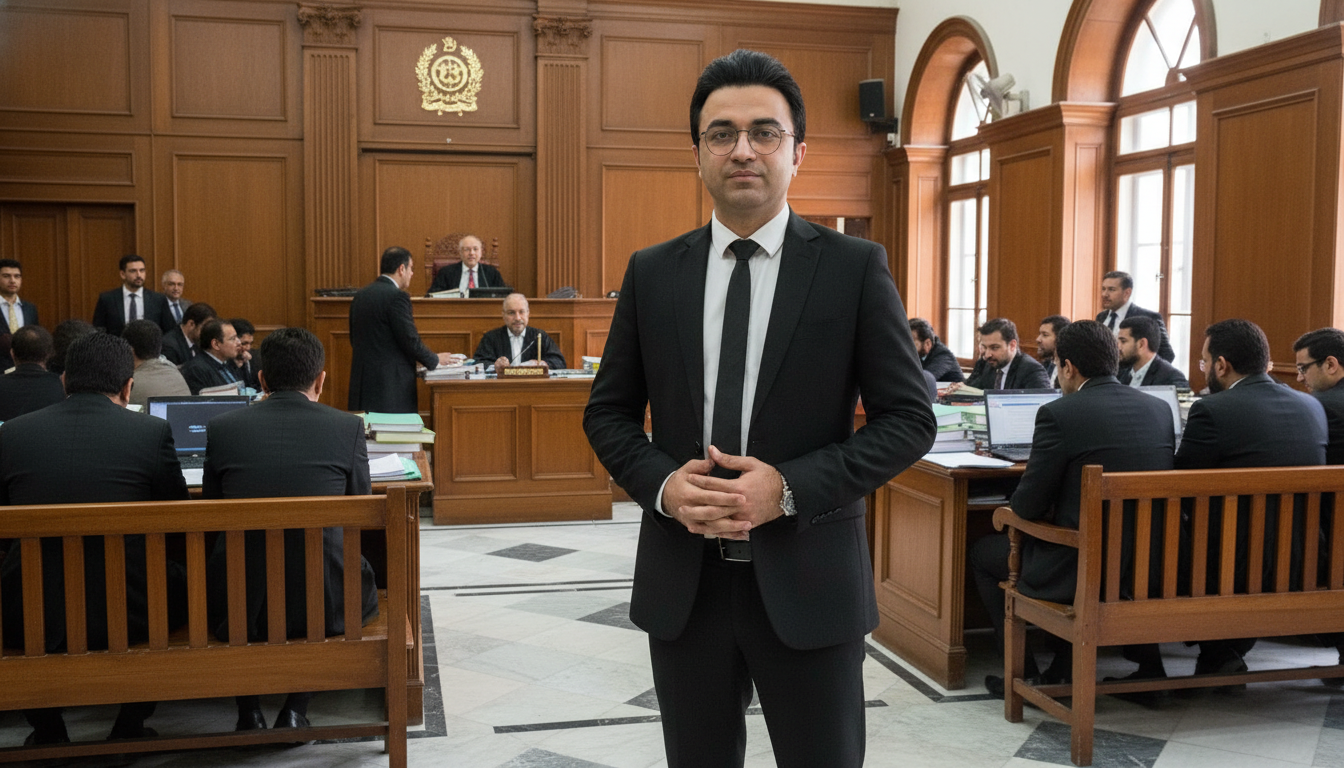

In modern society, lawyers of Pakistan play a vital role in maintaining justice, resolving disputes, and protecting the constitutional rights of citizens. Whether it is a simple property disagreement or a complex constitutional petition, the legal system depends heavily on skilled legal professionals. Yet, many people still feel confused about basic terms like advocate, lawyer, and barrister. This confusion often leads to misunderstandings when choosing legal representation.
In this detailed guide, you will gain a deep and practical understanding of the legal profession in Pakistan. From the advocate and lawyer difference to the real-world comparison of barrister vs lawyer, and the growing importance of Islamic lawyers, every concept is explained clearly, naturally, and in a human tone.
Legal System of Pakistan Explained
At the heart of the justice system, lawyers of Pakistan operate within a hybrid legal structure influenced by British common law and Islamic jurisprudence. This dual system ensures that modern legal principles work alongside religious values. Courts are divided into Civil Courts, Sessions Courts, High Courts, and the Supreme Court of Pakistan, each with defined jurisdictions.
In the middle of legal proceedings, lawyers act as interpreters of law, translating complex statutes into understandable arguments. Without trained legal professionals, navigating this system would feel like driving through traffic without road signs.
Who Are Lawyers of Pakistan
In everyday language, lawyers of Pakistan are individuals who have completed formal legal education and are authorized to provide legal services. They serve clients across multiple areas, including criminal defense, civil litigation, corporate advisory, and family disputes.
Midway through their professional role, lawyers not only represent clients but also advise businesses, draft contracts, and mediate conflicts. Their influence extends beyond courtrooms into policymaking, human rights advocacy, and legal education.
Advocate and Lawyer Difference
Understanding the advocate and lawyer difference is essential for anyone seeking legal help. In Pakistan, a lawyer is someone who has earned a law degree, while an advocate is a lawyer who is licensed to appear in court.
In the middle of this distinction lies authority. Lawyers may work as legal consultants or corporate advisors, but advocates actively argue cases before judges. This difference becomes especially important when selecting courtroom representation.
Difference Between Lawyer and Advocate
The difference between lawyer and advocate also reflects experience and professional standing. Advocates must complete internships, pass bar examinations, and follow strict ethical codes.
Mid-career advocates may advance to higher courts based on experience. Lawyers, meanwhile, often prefer non-litigation roles where research, drafting, and advisory skills are more valuable.
Barrister vs Lawyer
The comparison of barrister vs lawyer often sparks debate. Barristers are trained under the English legal system and usually complete their education in the UK. They bring international exposure and strong advocacy skills.
In the middle of Pakistan’s legal ecosystem, barristers must still enroll locally to practice. While lawyers typically follow domestic education routes, barristers often dominate constitutional, commercial, and appellate litigation.
Islamic Lawyers in Pakistan
As an Islamic republic, Pakistan places strong emphasis on Sharia principles. Islamic lawyers specialize in areas where Islamic law applies, such as marriage, divorce, inheritance, and Islamic banking.
In the middle of sensitive family disputes, Islamic lawyers bridge the gap between religious teachings and statutory law. Their role is especially significant in Family Courts and Federal Shariat Court cases.
Legal Education and Career Path
To join the ranks of lawyers of Pakistan, one must complete an LLB degree from a recognized institution. This is followed by passing the LAW-GAT and completing professional training.
Midway through this journey, mentorship under senior advocates shapes courtroom confidence and ethical understanding. Continuous learning remains essential, as laws and precedents evolve over time.
Bar Councils and Regulation
Bar Councils regulate legal practice across Pakistan. They ensure discipline, conduct examinations, and protect the rights of both lawyers and clients.
In the middle of professional disputes, Bar Councils act as accountability bodies, reinforcing trust in the legal profession.
Categories of Lawyers in Pakistan
Lawyers in Pakistan often specialize based on interest and demand. This specialization allows deeper expertise and better client outcomes.
Civil Law
Civil lawyers deal with contracts, property disputes, and commercial claims. In the middle of long litigation processes, negotiation skills are often as important as legal knowledge.
Criminal Law
Criminal lawyers represent accused persons or the state. They handle bail, trials, and appeals, often working under intense pressure where liberty is at stake.
Family and Sharia Law
Family lawyers, including Islamic lawyers, manage emotionally sensitive cases. Midway through such disputes, empathy and discretion become as important as legal expertise.
Court Structure in Pakistan
Courts are organized hierarchically to ensure efficient justice delivery. Advocates progress through courts as their experience grows.
In the middle of appeals and revisions, understanding jurisdiction becomes critical for effective representation.
Ethics and Responsibilities of Legal Professionals
Ethics define the credibility of lawyers of Pakistan. Honesty, confidentiality, and respect for the court are non-negotiable values.
Mid-career lawyers who ignore ethics risk disciplinary action and loss of reputation.
Lawyer Quotes That Define Justice
Inspirational lawyer quotes often capture the soul of the legal profession. Statements about justice, equality, and courage motivate lawyers during challenging cases.
In the middle of tough trials, such quotes remind legal professionals why they chose this path.
Why Choosing the Right Legal Professional Matters
Selecting the correct advocate, lawyer, or barrister can significantly influence case outcomes. Knowing the advocate and lawyer difference empowers clients to make informed decisions.
Midway through legal battles, the right legal strategy can save time, money, and emotional stress.
Future of Lawyers of Pakistan
Technology is reshaping legal practice. Online hearings, digital records, and legal tech tools are becoming common.
In the middle of this transformation, lawyers of Pakistan must adapt while preserving core values of justice and integrity.
Conclusion
The legal profession in Pakistan is complex yet fascinating. From understanding the difference between lawyer and advocate to comparing barrister vs lawyer and recognizing the importance of Islamic lawyers, clarity brings confidence. The lawyers of Pakistan remain pillars of justice, guiding society through legal challenges with knowledge, ethics, and dedication.
FAQs
1. Who are lawyers of Pakistan?
Lawyers of Pakistan are legally qualified professionals authorized to provide legal advice and representation.
2. What is the advocate and lawyer difference?
A lawyer has a law degree, while an advocate is licensed to appear in court.
3. What is the difference between lawyer and advocate?
The main difference lies in courtroom practice and bar enrollment.
4. Barrister vs lawyer: which should I choose?
Choose based on case complexity; barristers often handle higher-level litigation.
5. What do Islamic lawyers handle?
Islamic lawyers manage Sharia-based legal matters like family and inheritance cases.