
Protecting Your Dignity and Reputation
In the digital age, a person's reputation can be tarnished in minutes through a malicious post, a false news report, or verbal slander in a public gathering. Under Pakistani law, you have the right to strike back aggressively against those who attempt to defame you.
Civil vs. Criminal Defamation
There are two primary routes to tackle defamation in Pakistan:
1. The Defamation Ordinance, 2002 (Civil Action)
This allows you to file a suit for damages in the District Court. The process begins with sending a mandatory 14-day Legal Notice to the defamer, demanding an unconditional apology and monetary compensation. If they fail to comply, we file a civil suit. The courts can award damages worth millions of rupees for the loss of reputation and mental agony.
2. Criminal Defamation (Sec 499 & 500 PPC)
Defamation is also a criminal offense under the Pakistan Penal Code. A private complaint (Istaghasa) can be filed before a Magistrate. If convicted, the defamer faces imprisonment of up to two years and a fine. This serves as a powerful deterrent.
Workplace Harassment
We also specialize in the Protection Against Harassment of Women at the Workplace Act, 2010. Whether representing the complainant or defending the accused against false allegations, our team handles the proceedings before the Federal and Provincial Ombudsperson with strict confidentiality and professionalism.
Gag Orders and Injunctions
If an ongoing defamation campaign is ruining your business or personal life, Mian Law Associates immediately approaches the civil courts to secure a stay order (injunction), legally gagging the opponents and media channels from publishing further defamatory content.
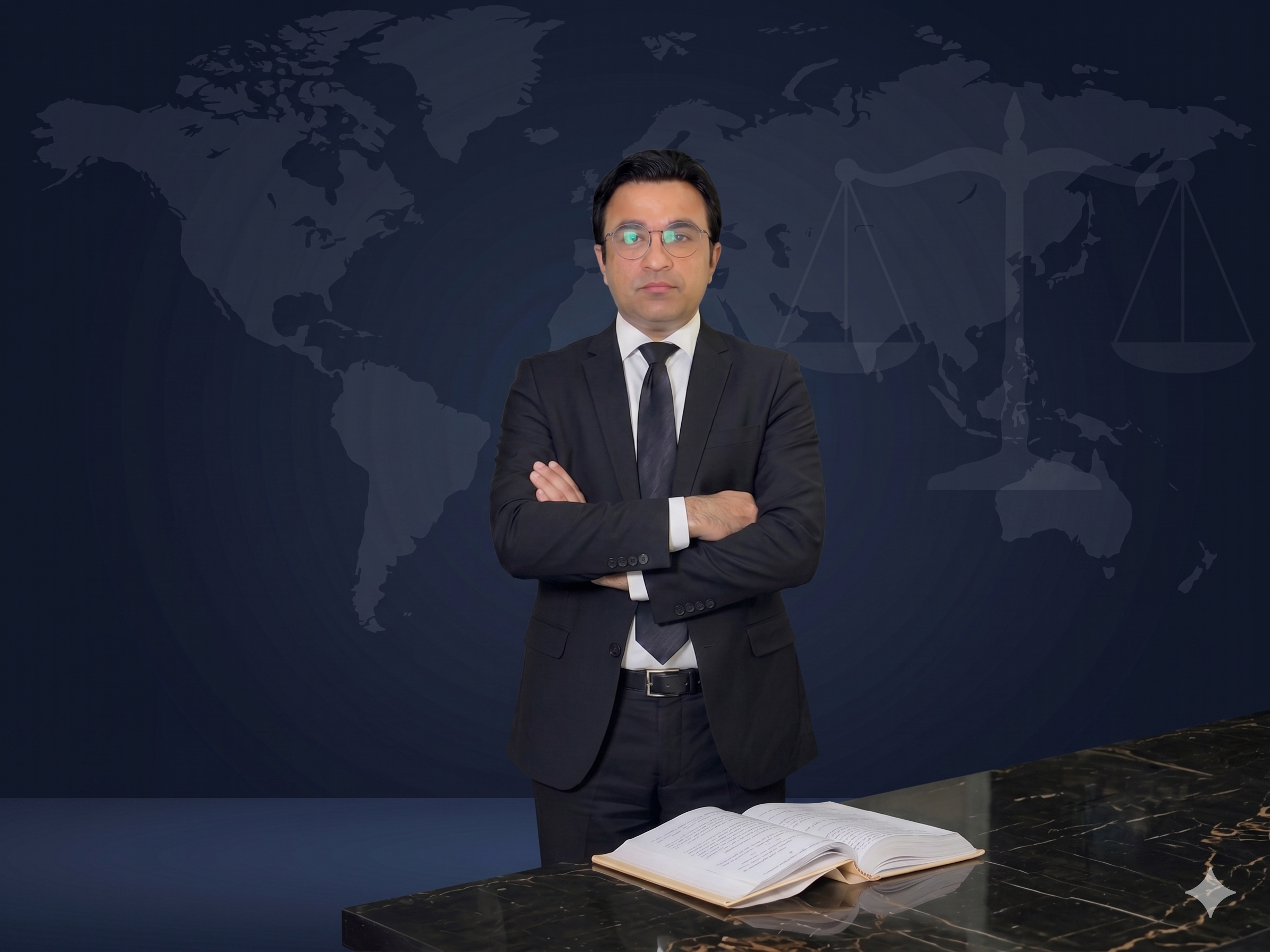
Written by Mian Abid Advocate
Senior Criminal Defense Expert | High Court Advocate